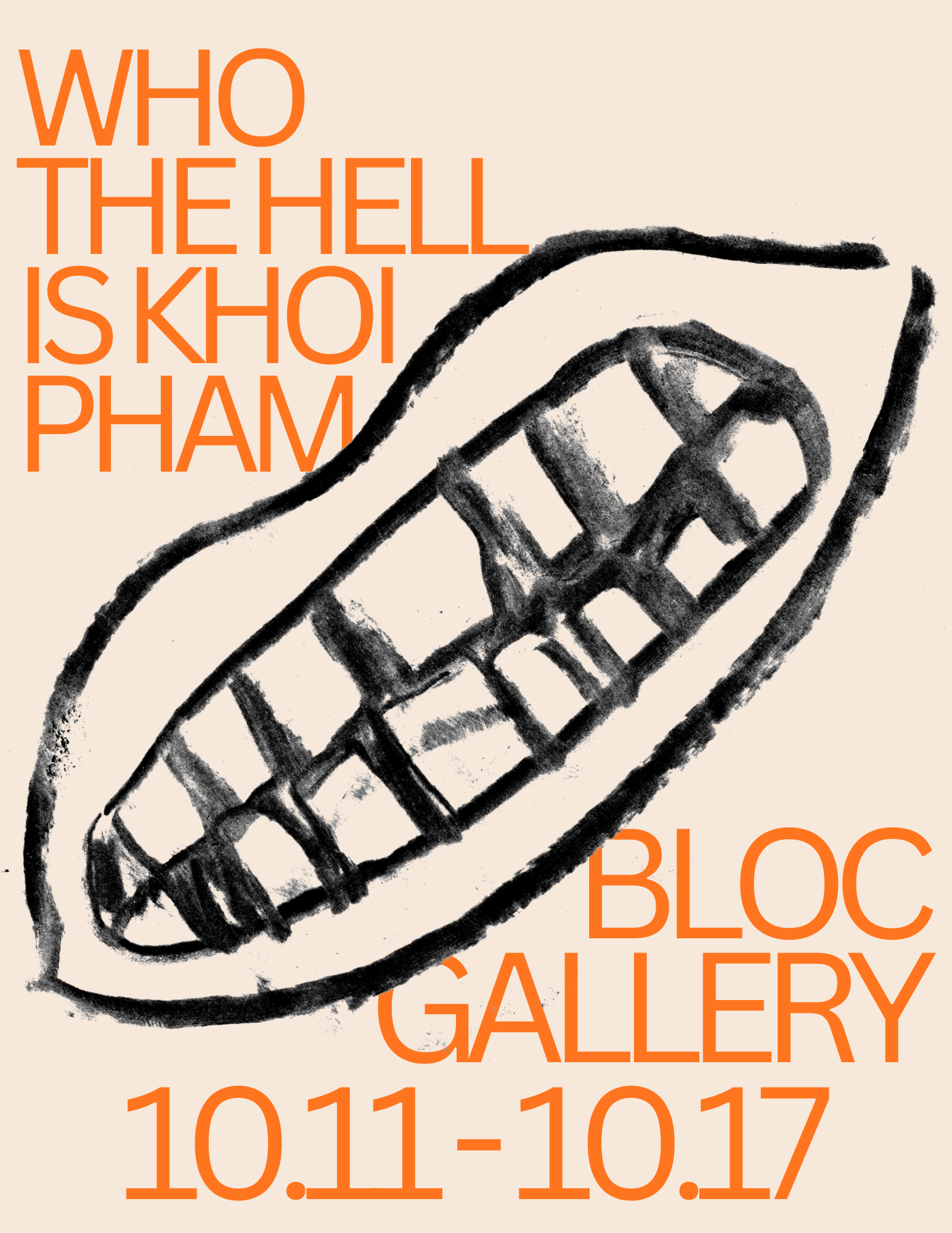
Who The Hell is Khoi Pham
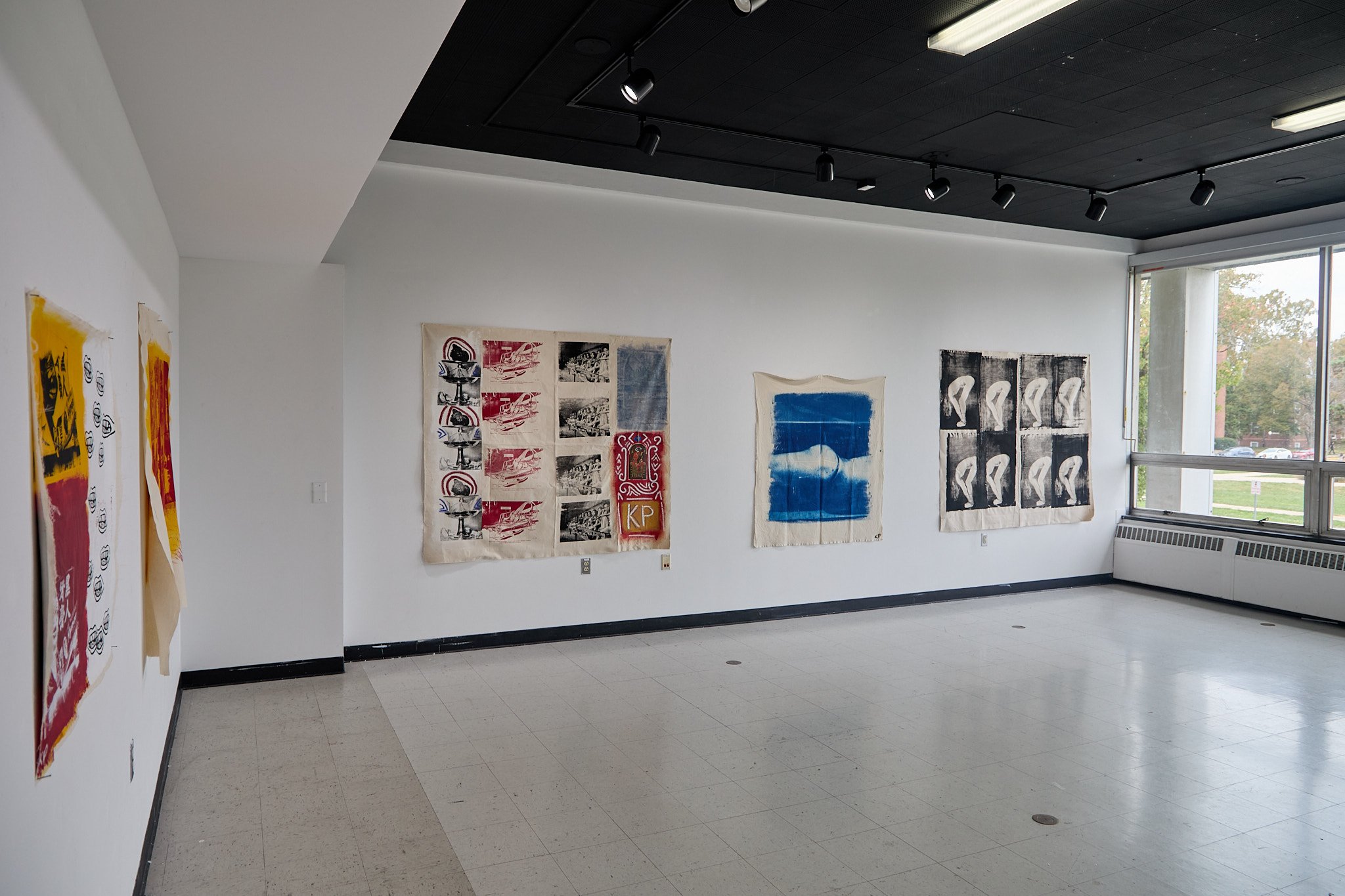
I used to hate being Vietnamese. I hated that my skin wasn't as white as my friends. I hated my culture, my food, my language. I hated that I was only identifiable through the wars in the past.I wanted to live in America and be an American. I wanted to leave my poor, backwater country and finally flourish in the beauty, culture, and advancements of the West. I thought that I knew everything there is to know about Vietnam, and that there is nothing else worth learning.
And then I learned about the pillaging, raping and massacres of people that looked like me. I learned about how I was just a gook, not worthy of being on the same level as the white person. I learned that the only media worth viewing about my country is that of images of death and destruction, of naked, burning children. I learned about division and separation, and wounds that haven't healed. I learned that while the world has moved on, there are many that still live with the scars. I learned more about my family, and the sacrifices they have made to survive, to thrive. I learned to love Vietnamese-ness.
My first solo exhibition is dedicated to the people who got trampled under the heavy boot of colonialism. It is about the consequences of centuries of pain, trauma, and subjugation, and how it has permanently distorted how I view Vietnamese-ness. It is about the stories of those that came before me, and how their hope as well as their sorrow lives on through me. It is about lost joy and tragedies forgotten. It is about how I learned to see myself once again and to learn who the hell Khoi Pham is, really.
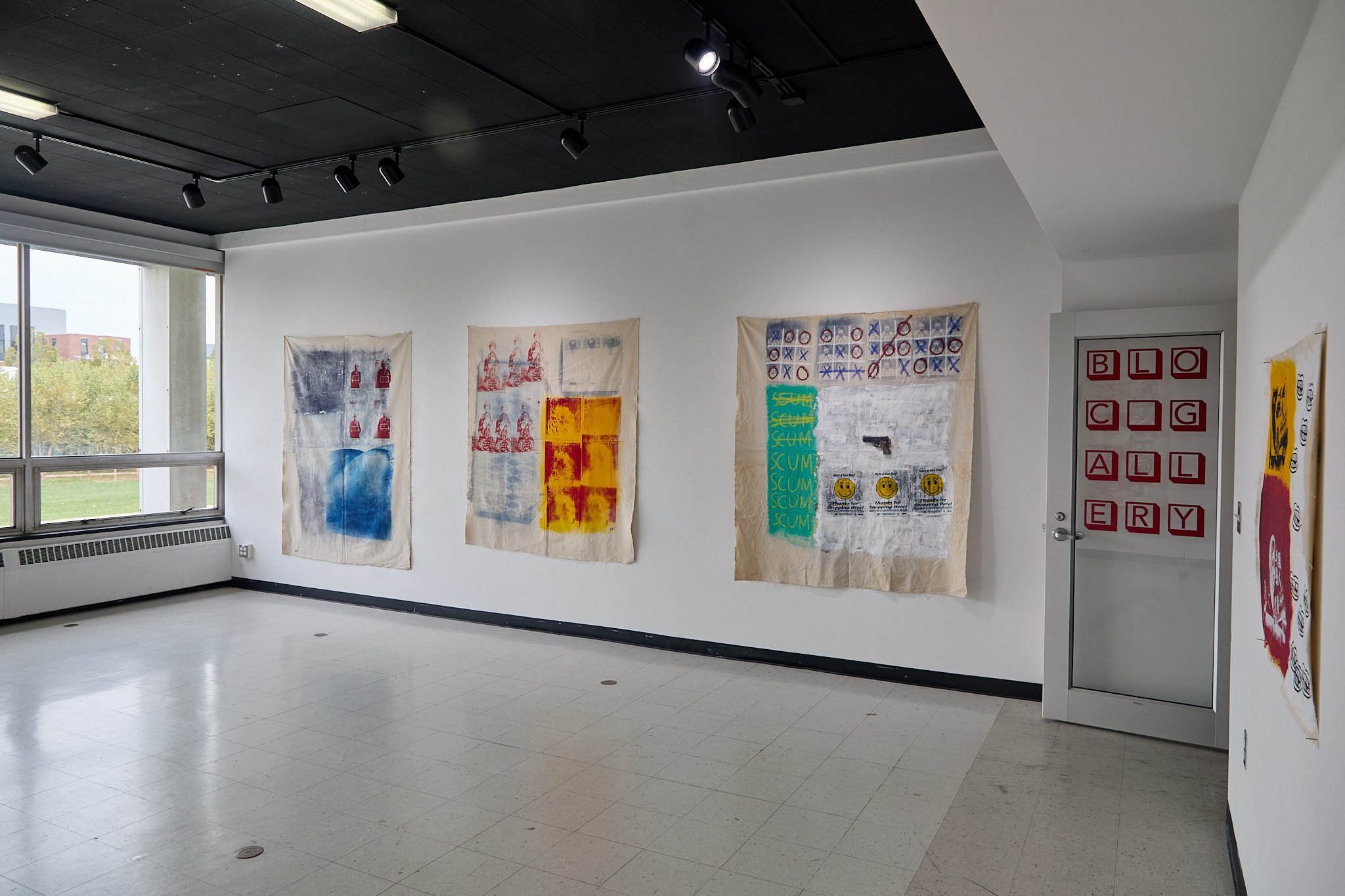
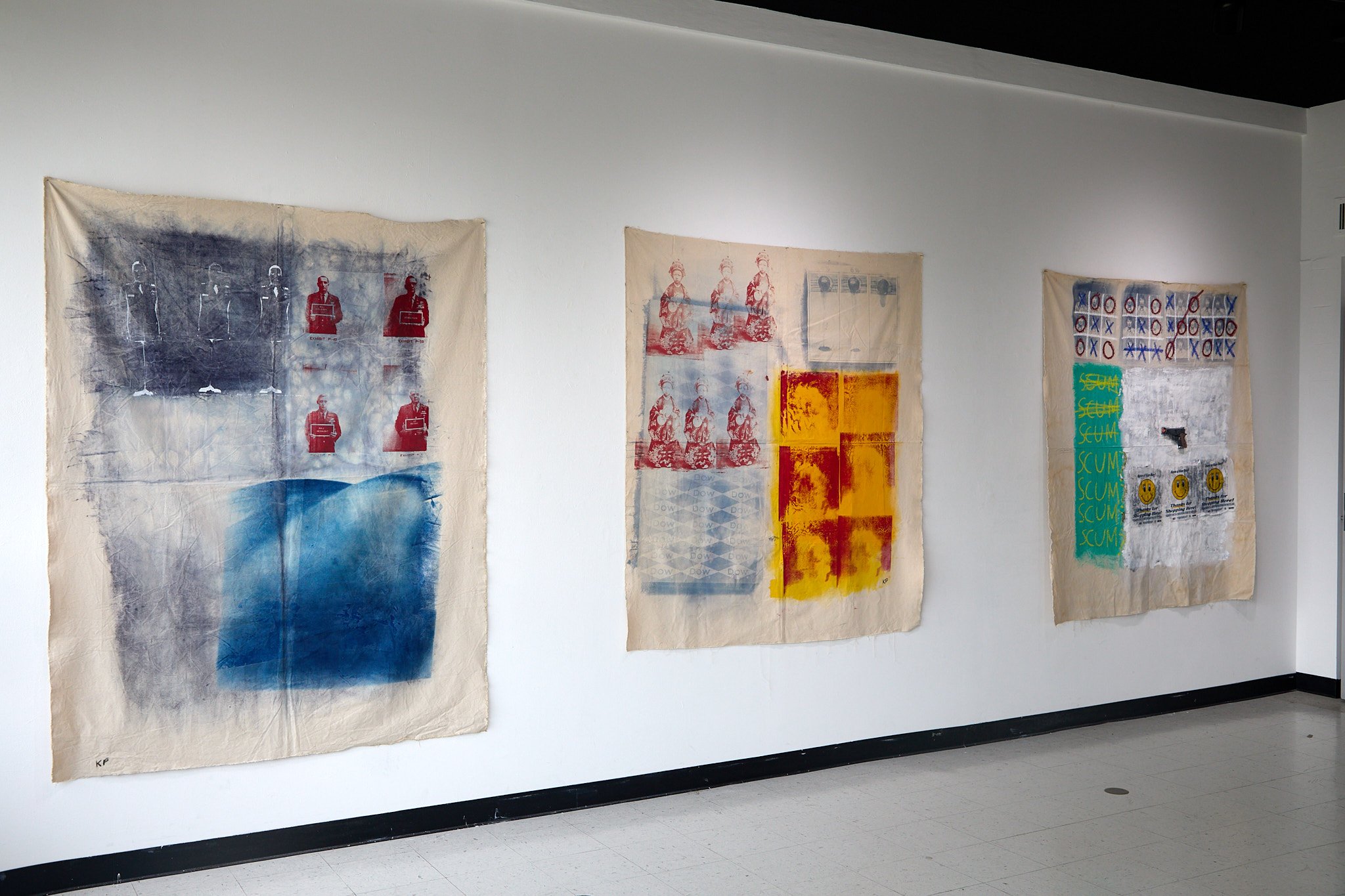
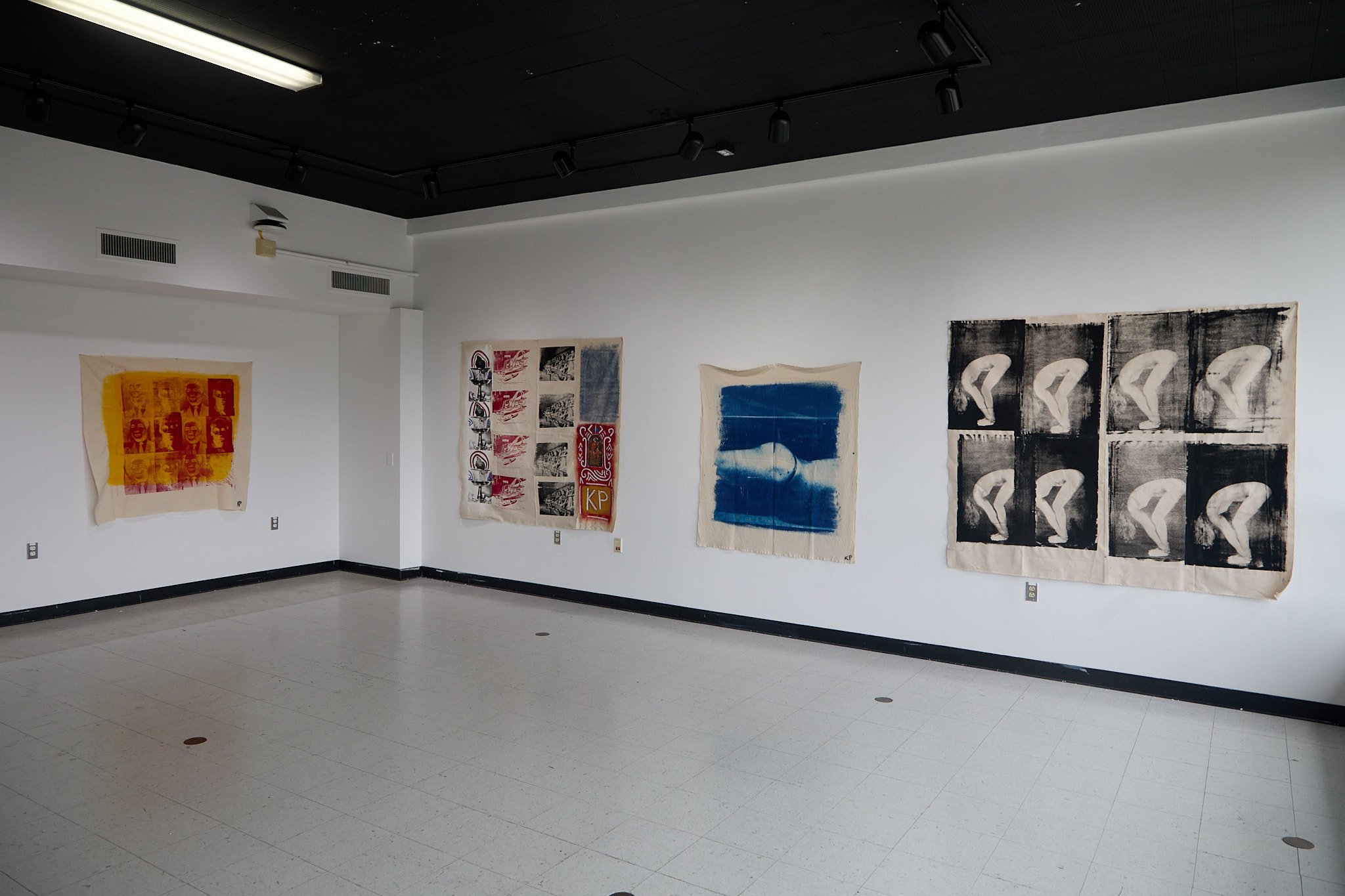
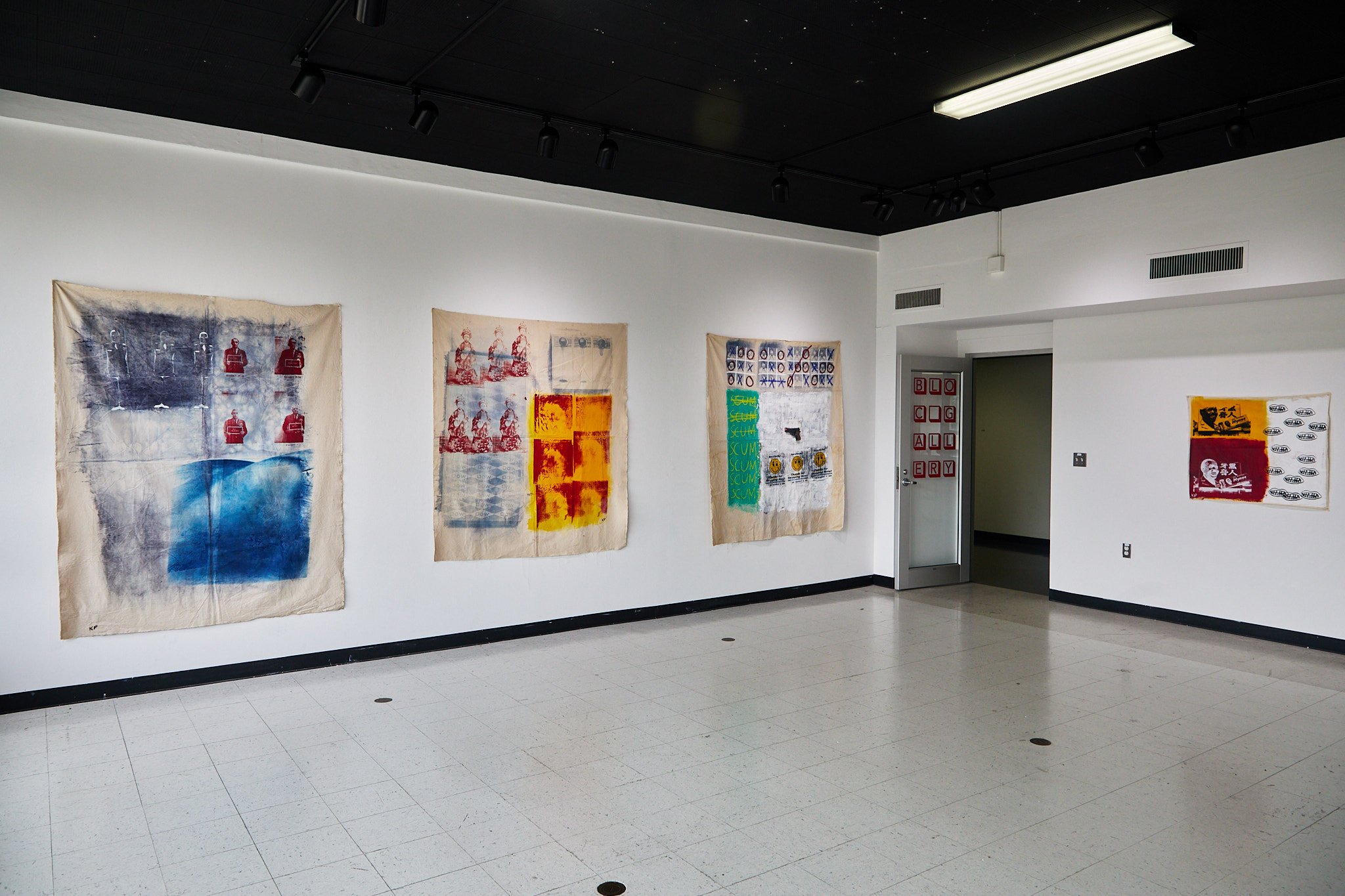
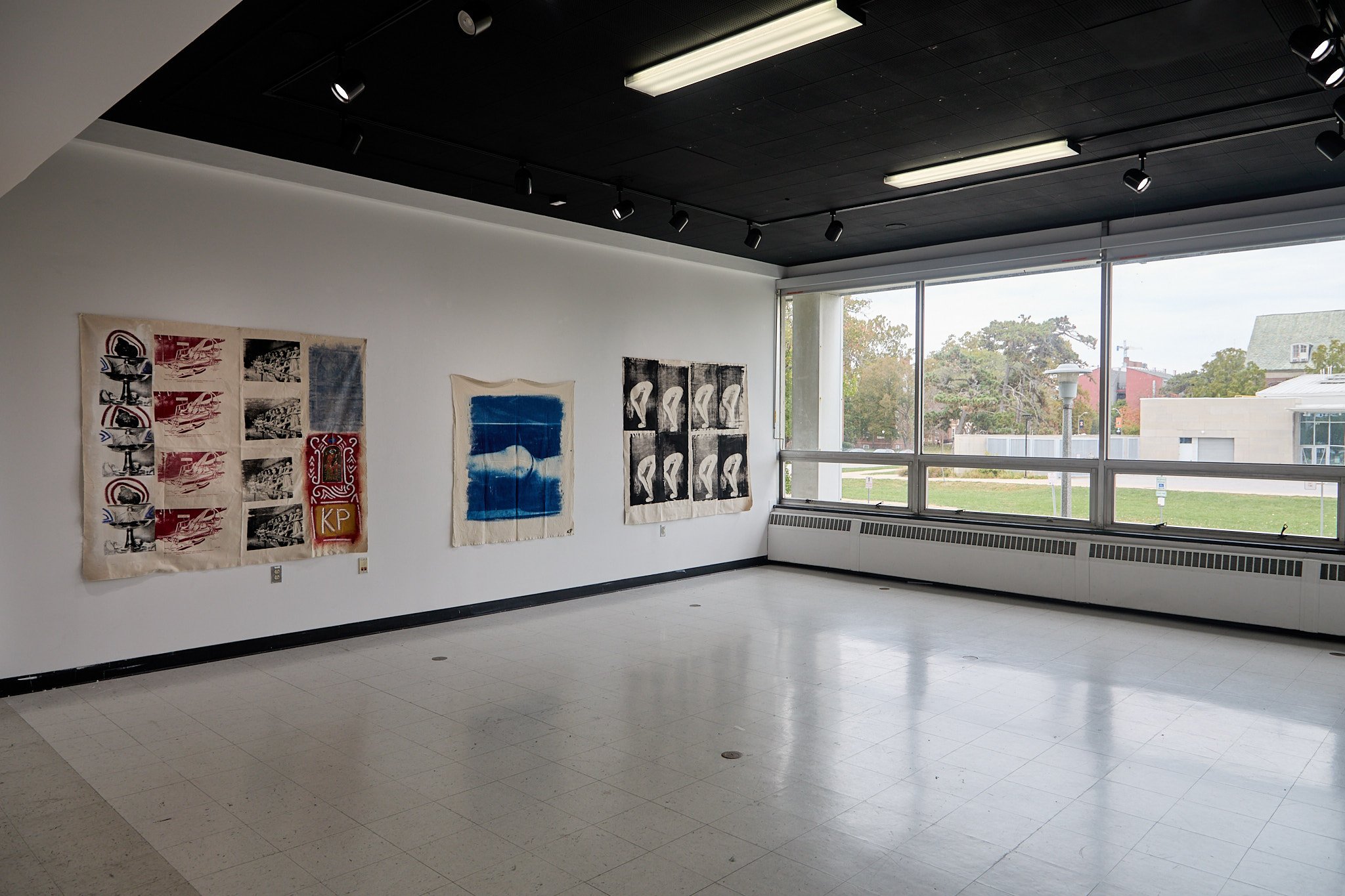
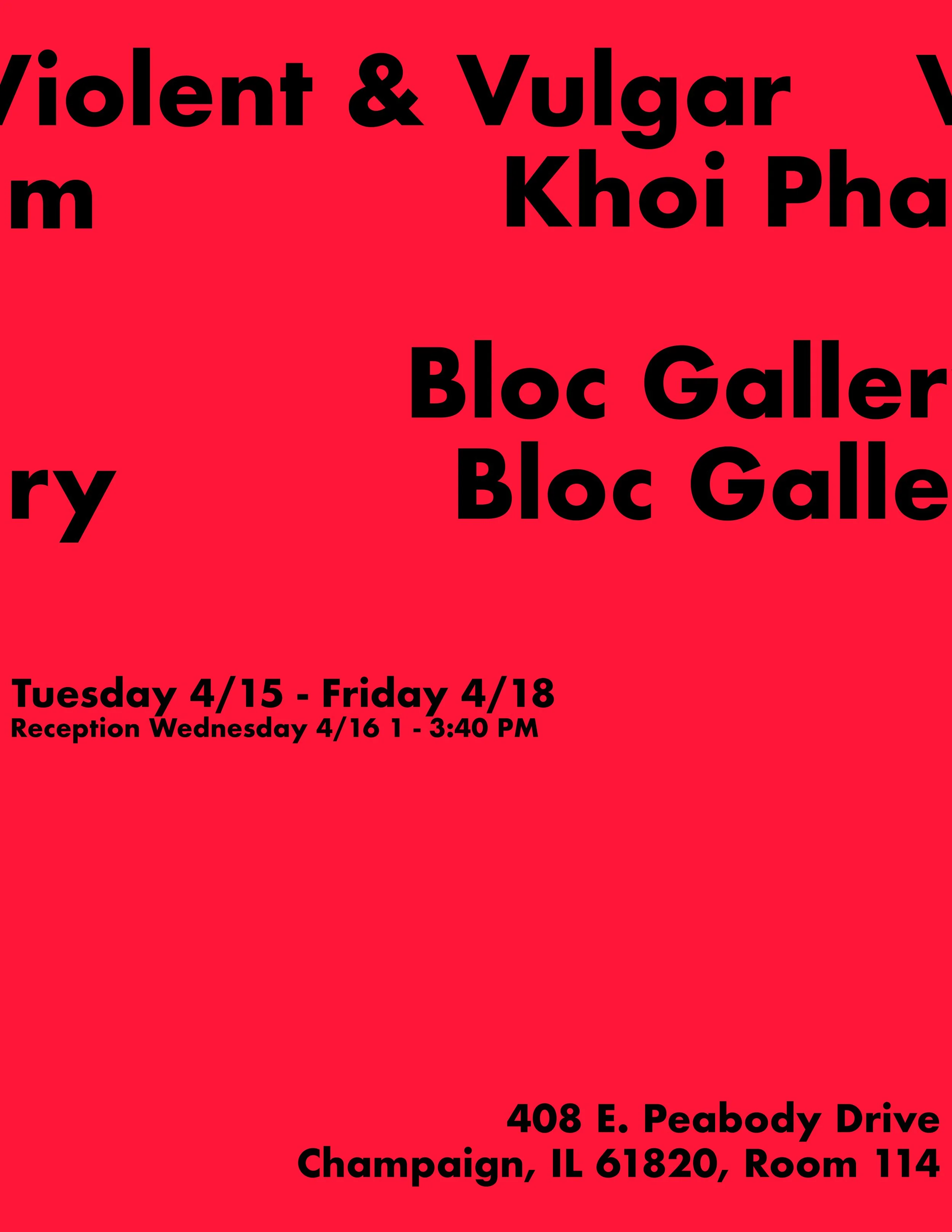
Violent & Vulgar
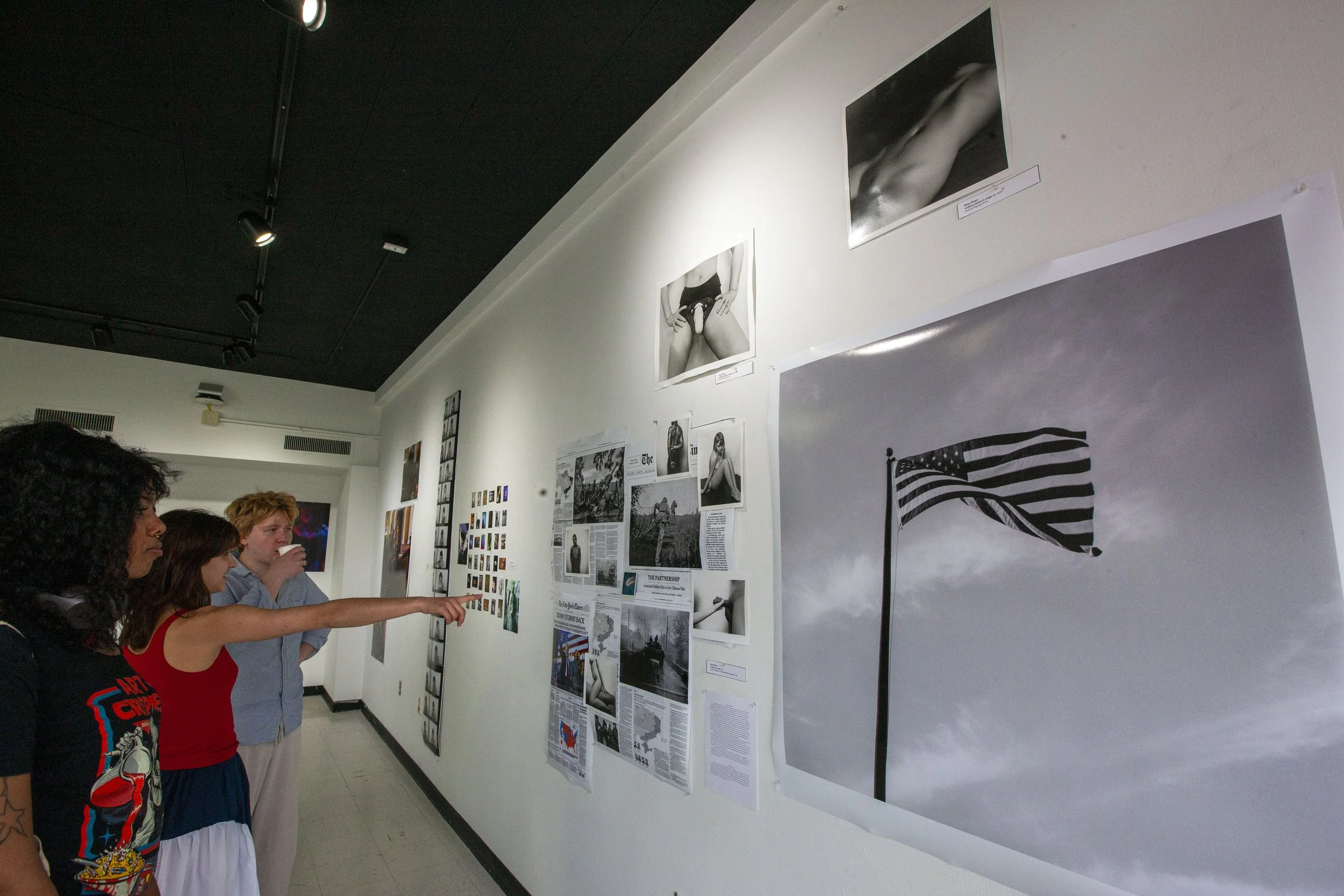
What compels someone to pick up a camera, point it at something to take a picture? Why are we curious about the violent, drawn to the repulsive and gawk at the aberrant? How do photographs lie? What is our relationship with photography and the symbols around us? In modern society, the belief of le beau c’est le vrai, held by many 19th century painters is no longer applicable. In this age of digital retouching, AI image generation, Instagram likes and engagement farming where every piece of content competes for seconds of our divided attention, le beau c’est le vulgaire et le violent.
Violent and vulgar imagery permeates our society and is consumed and forgotten about at an unprecedented rate. We have unparalleled access to internet pornography and images of mutilation at our fingertips at all times. Social media has become a vehicle for both and it does not take long for one to be exposed to either one. There is a constant push for more violent and shocking images, in the interest of virality. The unintended consequence has been the complete desensitization towards fellow human beings’ suffering. During the Vietnam War, photojournalists and TV crews embedded within American platoons recorded images and stories that shocked the audience at home who have never before seen violence at such a mass scale that it jolted people into action. Fast forward to 2025, images of mutilated Palestinian children, Ukrainian men being blown up from a first-person point of view no longer evokes the same visceral reaction that pushed people to march for peace. The numbness one feels towards violence and vulgarity mirrors how a pornography addict seeks more extreme forms of pornography and self-pleasure to satisfy their increasingly extreme desires.
Photography not only impacts the viewer of the image, but also the people in the image and the image maker. The interactions between the image maker and the people in the image is not simply additional context, but crucial in understanding photographs as a whole. Photography is not an impartial, unfeeling scribe, but a poet, a liar and an archivist. Consider the accounts of past historians, it is assumed that the accounts are biased, but photography evokes an assumption of truth that misguides and deceives viewers without accompanying additional context. The violence and vulgarity of the world is seen and documented by innately opinionated people, and what the photographer chooses to photograph (or not photograph) and depict as violent, vulgar, heroic, triumphant, beautiful, ugly is an opinion and projection of the photographer’s own desires and ideas, not the truth.
In this series, Khoi Pham asks the audience to contemplate the violence and vulgarity in photography, the deceptive nature of the camera, its unreliability as a witness and narrator of events, and the viewer’s relationship to symbols in photography. The artist invites the audience to examine their comfort in viewing certain images, and disquiet in others. The reality of images may not be as they seem, and what the photographer excludes from the photographs are just as important as what they include.